

The digital landscape is evolving rapidly, as are expectations in today’s workplace. Whether you’re in marketing, tech, operations, or design, having the digital skills you need to future-proof your career is no longer optional; it’s mandatory!
One day, you’re the office whiz with killer spreadsheets, and the next day, someone’s automating half of your workflow with AI and asking if you “speak data.”
By 2025, around 85 million jobs may be displaced by a shift in labor between humans and machines, but 97 million new roles could emerge that are better suited to this new dynamic.
If this made you sweat a little, don’t worry. You’re not alone. We all are part of this collective fear. The good news? There are plenty of digital skills you need to future-proof your career, and they’re totally learnable (no Matrix plug-in required).
Let’s explore what are the most valuable Digital Skills You Need to Future in 2025 and how they can help people like you and me to build a sustainable, impactful career in the digital-first workplace.
1. Data Fluency: Turning Information Into Strategic Action
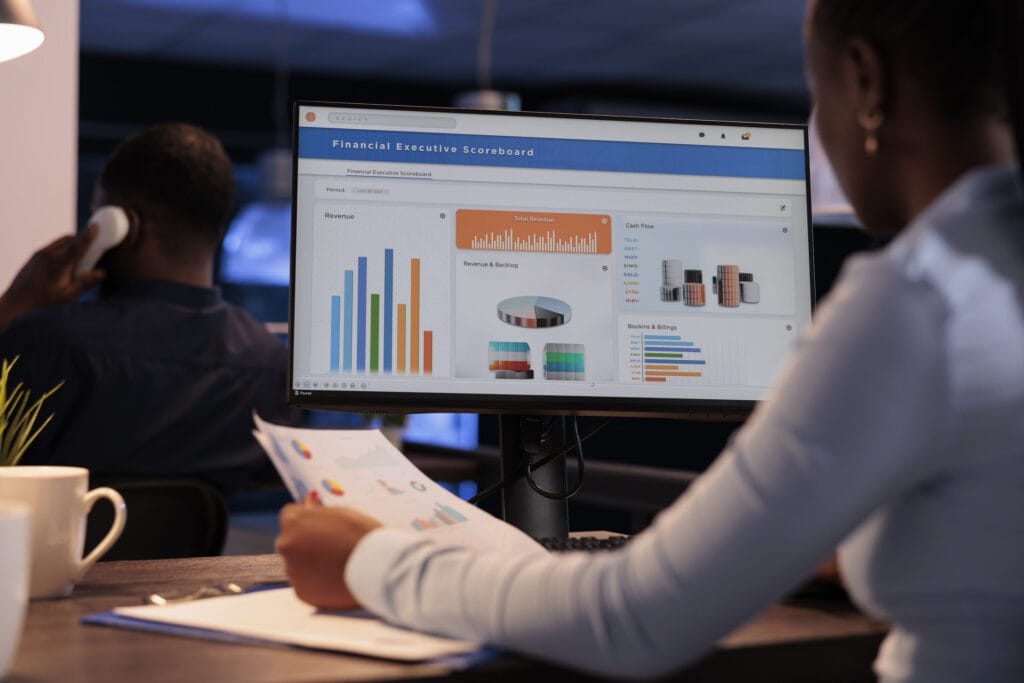
Nope, you don’t need to become a data scientist. But you do need to understand what the heck all those charts and dashboards mean.
📊 76% of executives want more employees who know their way around data PwC. Why? Because data = decisions. And decisions = power moves.
Start by learning how to read trends, and Digital Skills You Need to Future, ask thoughtful questions, and tell stories with numbers (bonus points if you can turn that into a killer deck).
2. AI for Workflow Automation: Your Competitive Edge

The conversation about AI has shifted from “Will it replace me?” to “How can I use it to work smarter?” That’s where AI for workflow automation comes in.
📊 Up to 50% of current work activities across industries could be automated using existing technology (source: McKinsey).
Automation tools like Notion AI, Zapier, and Make.com allow non-tech professionals to create systems that handle repetitive tasks, giving you more time for strategic thinking and innovation.
3. Strategic Thinking and Innovation: Human Intelligence at Its Best

As machines take over routine tasks, what remains uniquely human is strategic thinking and innovation. These skills turn challenges into opportunities and tools into transformation.
- The smart folks at Deloitte say problem-solving and cognitive flexibility are chef’s kiss essential for the future of work.
Being able to align business goals with digital solutions isn’t just a leadership skill it’s a survival skill in 2025.
4. Remote Leadership: Managing Culture Across Screens

In an age of hybrid and remote teams, leadership is less about visibility and more about impactful communication, empathy, and outcome-driven coaching.
- Leaders who communicate expectations can increase team engagement by up to 32%, even when working remotely (source: Gallup).
Learning how to lead asynchronous meetings, motivate distributed teams, and foster belonging without physical proximity is crucial.
5. Remote Project Management: Delivering Results Anywhere
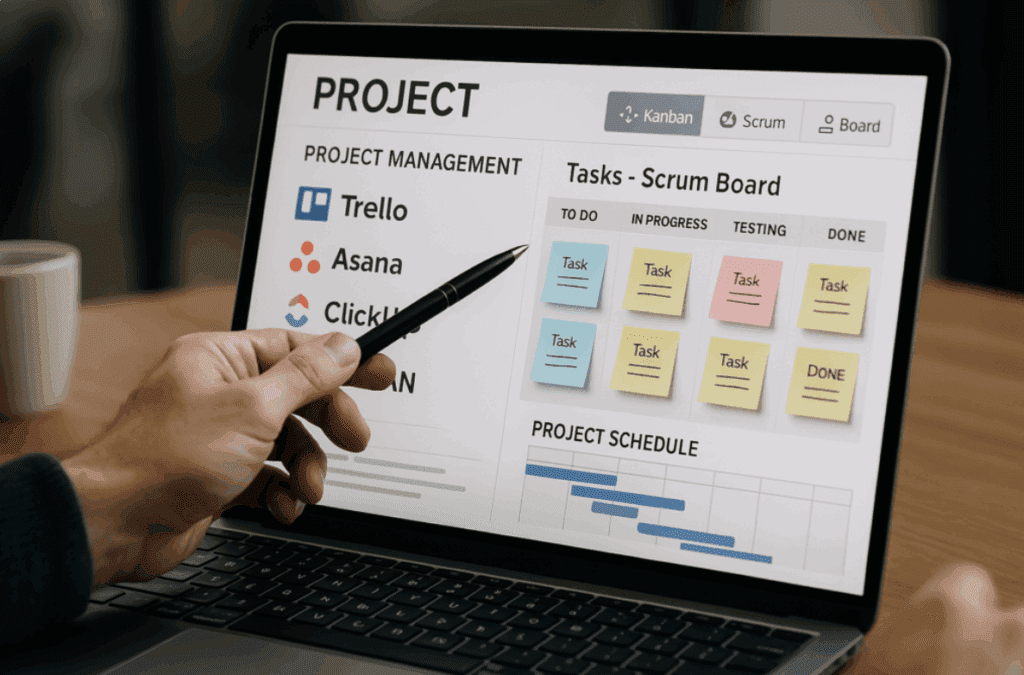
If you’ve ever juggled tasks across five time zones while waiting for approval in a Slack thread…You already know the chaos. Welcome to remote project management.
But here’s the deal: the chaos can be managed. Project managers with Agile certification earn 22% more. That’s a raise and a sanity boost.
Being familiar with tools like Trello, Asana, or Click Up, and frameworks like Scrum or Kanban helps keep projects aligned and outcomes focused.
6. Digital Communication and Collaboration: Beyond Emails and Zoom

Clear, compelling communication is the glue of any successful digital team. But now, that communication must travel through Slack threads, Miro boards, Loom recordings, and async videos.
Digital communication and collaboration are no longer just soft skills, they’re productivity enablers.
We need to learn to:
- Adapt your tone across platforms.
- Know when to use video vs. chat.
- Provide context in async updates.
These nuances build trust, reduce friction, and get things done in a decentralized workplace.
7. Digital Strategy and Innovation: Big Picture Thinking

We all know that being “good with tools” is nice. But being the one who knows why you’re using them and how they connect to business goals? That’s next level, and we certainly need to reach it!
As per BCG, digitally mature companies are 26% more profitable than the rest. And guess who helps them stay that way? People who know how to link ideas, tools, and execution.
About time we need to start thinking like strategists, about digital skills you need to future even if it’s not in our title (yet).
8. Why Everyone Needs the Digital Skills You Need to Future
No matter your industry—whether it’s healthcare, education, finance, or the creative arts—digital tools are shaping how we communicate, analyze, and deliver value. Being digitally fluent isn’t just for tech professionals anymore. If you want to stay employable and innovative, understanding digital trends and being able to use tools effectively is essential.
The Digital Skills You Need to Future include not just technical know-how, but also the ability to adapt to new platforms, manage data responsibly, and understand digital ethics. These skills future-proof your career and prepare you for a world where digital-first is the new default.
9. How to Start Learning the Digital Skills You Need to Future
The idea of building digital skills can seem overwhelming, especially if you’re starting from scratch. But the truth is, you don’t need to enroll in expensive courses right away. Begin with free online platforms like Khan Academy, Google Digital Garage, or HubSpot Academy. Set aside just 30 minutes a week to build consistency.
Start small—perhaps by mastering cloud storage systems like Google Drive or learning the basics of Excel automation. As you grow in confidence, move to more complex topics like analytics or project management tools. The key to learning the Digital Skills You Need to Future is making steady progress while staying curious.
10. Mistakes to Avoid When Building Digital Skills You Need to Future
A big mistake many people make is trying to learn everything at once—leading to burnout and confusion. Another is focusing solely on technical tools while ignoring soft digital skills like digital communication, critical thinking, or digital leadership. Also, avoid copying others blindly; the tools you need will depend on your industry and career goals.
When developing the Digital Skills You Need to Future, tailor your learning path to your interests and job needs. Remember, quality beats quantity. It’s more valuable to deeply understand a few key tools than to superficially know dozens.
Final Thoughts On Digital Skills You Need to Future
The truth is, you don’t need to learn everything overnight. But if you want to stay relevant, keep earning, and maybe even enjoy what you do, you’ve gotta keep growing.
Pick one or two of these digital skills (start with what excites you), carve out 30 minutes a week, and go. You don’t need to be perfect, you just need to be learning.
Because in the digital future, the winners won’t be the ones with the fanciest job titles. They’ll be the ones who never stopped adapting.
Take one step at a time, I know it can get overwhelming, but hang in there. Remember, we all are a part of this never-ending evolving system 😊
Embracing the journey of continuous learning is what sets you apart in today’s fast-paced world. Whether it’s mastering data tools, improving digital communication, or exploring automation, every small effort counts.
The Digital Skills You Need to Future aren’t just about tech—they’re about staying curious, adaptable, and open to change. Keep learning, keep evolving, and you’ll always stay ahead.
Subscribe to WhatWorksNext today and join a community dedicated to transforming the way we work. Working smarter starts here!