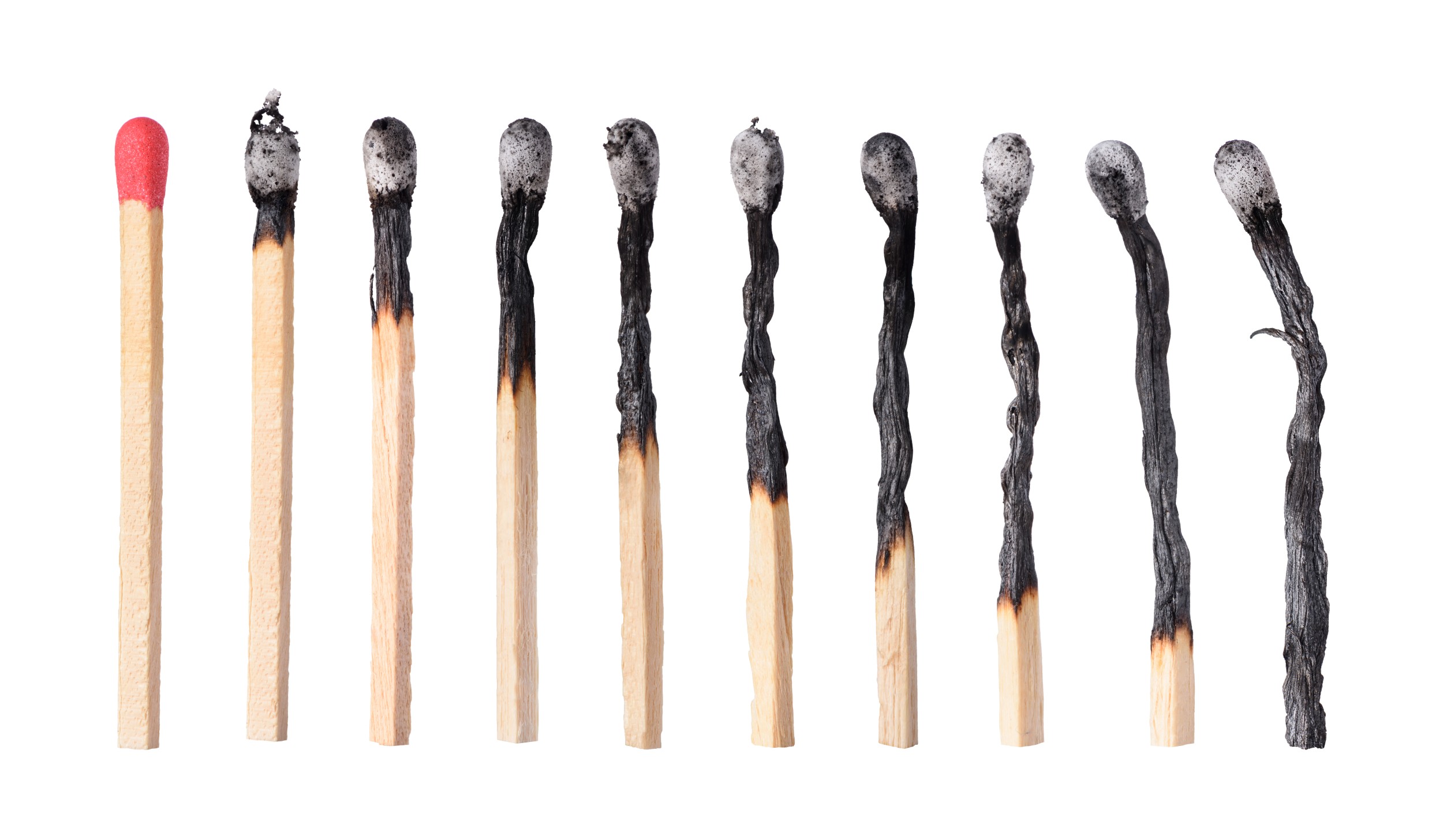
If you’re feeling utterly drained by work, exhausted, cynical, and far less effective than you used to be, you may be experiencing burnout. Most of us have experienced the same at least once in our lifetime.
However, the good news is that it’s possible to recover from burnout, even if it feels overwhelming right now. Burnout feels like a stuck in state, a feeling of chronic stress overload that can leave you emotionally and physically exhausted. Doesn’t matter if you are working in the field or as a remote worker, anyone can feel work burnout.
The World Health Organization defines burnout as a workplace syndrome characterized by exhaustion, increased mental distance or cynicism about work, and reduced professional efficacy.
It’s alarmingly common! Recent surveys show that a majority of employees have felt burned out, and about 72% say burnout negatively affected their job performance. In other words, burnout doesn’t lead to increased productivity. It rather hurts your productivity and well-being.
What is Burnout?
Burnout is a workplace phenomenon that has gained more attention in recent years (though it’s not entirely new – the term has been around since the 1970s). The fatigue and work burnout have been there all along the centuries.
It’s not simply being tired or having a stressful day. Burnout usually develops after prolonged work stress or overwork that hasn’t been successfully managed.
Signs of burnout include:
- Feeling exhausted all the time (no matter how much sleep you get)
- Becoming negative or cynical about your job or colleagues, and a noticeable drop in your performance or productivity.
- You might feel detached, unmotivated, or even hopeless – like you’re running on empty.
Burnout was officially recognized by the WHO in 2019 as an occupational syndrome, which validated what many workers already knew: this is a real, serious condition, not a personal weakness. It affects not only employees’ health, but also businesses and economies (burned-out employees are frequently unwell, less efficient, and more likely to quit).
If you’re experiencing these symptoms, know that you’re not alone and that you can recover from burnout with the right steps. Before jumping into recovery, it’s important to acknowledge that you are burned out and that something needs to change – this self-awareness is the first step toward healing.
How to deal with it (10 Strategies to Recover from Burnout)
Recovering from burnout requires a combination of lifestyle changes and professional support. It’s about restoring your energy, regaining balance, and addressing the factors that led to burnout in the first place.
Here are the 10 best ways to recover from burnout, blending caring for your personal well-being with proactive steps in your work life. These strategies range from simple self-care practices to bigger changes in how you approach work. Try the tips that fit your situation, and remember that recovering from burnout is a gradual process, so be patient and kind to yourself as you work through it.
With time, these strategies can help you feel better, achieve a healthier work-life balance, and even enjoy increased productivity once you’re recharged.
1. Recognize Burnout and Take It Seriously
The first step to recover from burnout is acknowledging that you’re burnt out in the first place. It sounds obvious, but many people try to ignore the signs or blame themselves for not “handling it.” Recognize that burnout is a real condition – it doesn’t mean you’re lazy or weak.
It means you’ve been under chronic stress for too long. Pay attention to your feelings and symptoms: Are you constantly exhausted, no matter how much you rest? Do you dread work or feel cynical about projects that used to excite you? Has your performance or concentration dropped? These can all be burnout indicators.
Admitting you’re burned out can be tough (especially if you pride yourself on coping with anything), but it’s crucial. Permit yourself to say, “I’m not okay, and I need a change.” This mindset shift lets you seek solutions rather than pushing yourself to the breaking point. Remember, recover from burnout isn’t possible until you accept that the way you’ve been working isn’t sustainable. This step is an act of self-compassion and an understanding that you’re human, and something needs to change for the sake of your health.
2. Take Time Off to Rest and Recharge
One of the best ways to recover from burnout is to give yourself a real break. Continuous overwork without sufficient rest is often what causes burnout, so the antidote is genuine relaxation. If possible, take some time off work. Use those vacation days, or even a short leave of absence if you’re severely burned out.
Stepping away from work stressors, even briefly, can start to replenish your energy and perspective. During this time, focus on quality rest. Aim for plenty of sleep (7–9 hours per night if you can) and engage in low-key, restorative activities. That might mean sleeping in, taking naps, or just spending a day doing nothing without guilt.
Don’t underestimate the power of downtime for your brain and body. If a long vacation isn’t feasible, try to inject micro-breaks into your day like short walks, a relaxing lunch away from your desk, or a tech-free evening.
Studies show that taking regular breaks during the workday can prevent fatigue and help maintain productivity. It might feel counterintuitive, but resting more can lead to increased productivity in the long run, because you return to work recharged rather than depleted. Use weekends and evenings truly for unwinding: disconnect from email, enjoy nature, or lounge with a good book.
At first, you might feel anxious stepping away from work obligations, but remind yourself that recovery is an investment. By recharging now, you’ll be able to perform better later. Rest is not a luxury; it’s a necessity for healing burnout.
3. Set Boundaries and Rebuild Work-Life Balance
Burnout often goes hand-in-hand with a blurry line between work and personal life. When work spills into all hours of your day, or you feel you can never switch off, it’s a recipe for exhaustion. To recover from burnout, start setting healthy boundaries and reclaiming your time off. This could mean establishing a firm end to your workday (and sticking to it!), not checking work email on weekends, or communicating with your team when you’re not available.
Talk to your boss or colleagues if needed. You can frame it positively, like “I’ll be able to focus better and achieve increased productivity during work hours if I also have uninterrupted off-duty time to recharge.”
Many enlightened workplaces understand the importance of work-life balance and are willing to support these boundaries. Offering work-life balance perks (like flexible schedules or mental health days) is known to reduce burnout and improve employee retention. So, don’t be afraid to prioritize your well-being. Say “no” to extra tasks when your plate is full – it’s okay to be assertive about your limits.
Rebuilding a work-life balance might involve cutting back on overtime, delegating when possible, or simply making a rule to unplug after a certain hour. By creating these boundaries, you give yourself space to rest, enjoy life, and come back to work with a clearer mind. Over time, this balance will guard you against future burnout and keep your performance more consistent (and even boosted, since a rested mind is more creative and productive).
4. Lean on Your Support Network
You don’t have to recover from burnout alone. Isolation can make burnout worse, while sharing your work struggles with someone you trust can provide relief and perspective. Reach out to your support network – this could be your partner, close friends, family members, or even supportive coworkers.
Let them know what you’re going through. Simply expressing your feelings to a sympathetic ear can lighten the emotional load (there’s a saying that “a problem shared is a problem halved”). Your loved ones might also help in practical ways, if possible, and maybe by taking on some of your chores or responsibilities for a while, or just encouraging you to relax.
At work (remote or in-person), consider confiding in a trusted colleague or mentor about your burnout. They may offer advice or help you speak to management about adjustments. Sometimes, just knowing that someone at work understands your situation can reduce the pressure you feel. If you’re comfortable, tell people what you need.
Whether it’s asking your partner for a bit more help around the house, or requesting your team at work to refrain from contacting you after hours. People can’t read your mind, so being honest about needing support is important. Don’t let pride keep you from leaning on others. Everyone needs help at times. Social connection is a powerful antidote to stress – a fun afternoon with friends or a heart-to-heart chat with someone who cares can remind you that you’re valued for more than just your job.
Feeling supported will reinforce that you’re not alone in this, making it easier to recover. Plus, positive relationships and a strong support system are linked to better mental health and resilience, which will help you recover from burnout more quickly and sustain a healthier balance going forward.
5. Seek Professional Help if Needed
Burnout can take a serious toll on your mental and physical health. Sometimes, the fastest way to recover from burnout is with the guidance of a professional therapist or counselor. There’s absolutely no shame in seeking help. Therapists are trained to help people navigate stress, set boundaries, and cope with the overwhelming feelings that come with burnout.
In fact, recovering from burnout is often much easier with the help of a therapist. A mental health professional can provide a safe space to vent, help you develop coping strategies, and hold you accountable as you make changes. They can also screen for related issues; burnout can sometimes overlap with depression or anxiety, and a therapist can determine if additional treatment (like medication or more specialized therapy) is needed in your case.
If you have access, consider using any Employee Assistance Programs (EAP) your workplace might offer – these often include counseling services. Additionally, a therapist might recommend support groups where you can connect with others recovering from similar work stress, knowing others get it can be validating.
Extreme fatigue or stress can sometimes contribute to health issues, so ruling out any physical problems (such as thyroid issues or vitamin deficiencies) is wise. A healthcare provider can also guide you on medical leave if your work burnout is severe. Remember, asking for professional help is a sign of strength and self-awareness, not weakness.
Just as you’d see a doctor for a persistent physical ailment, seeing a therapist or doctor for burnout is an investment in your health. With their support, you can create a structured recovery plan and gain tools that will not only help you recover from burnout now but also build resilience for the future.
6. Practice Mindfulness and Stress-Reduction Techniques
Burnout pushes your mind and body into a constant state of tension. To counter this, it helps to cultivate habits that promote calm and mindfulness. Practices like meditation, deep breathing exercises, yoga, or progressive muscle relaxation can significantly reduce stress and help you recover from burnout. The idea isn’t to magically solve all your work problems, but to change how your body reacts to work stress. For example, taking even 5-10 minutes a day to do a simple breathing exercise or a quick mindfulness meditation can lower your cortisol levels and bring a sense of peace into your routine.
Over time, these practices build your resilience to stress. Try different stress-management techniques to see what resonates with you. Some people find guided meditation or apps helpful, while others might prefer a quiet walk in nature as a form of mindfulness. Even engaging in prayer or listening to calming music can be therapeutic.
Invest in mind-body activities like yoga or tai chi combine gentle exercise with mindfulness, giving you physical relaxation and mental calm at once. Remember that managing stress is a skill. The more you practice these techniques, the more effective they become. By incorporating mindfulness into your daily routine, you’ll find you can quiet your racing thoughts and calm your nervous system more easily.
This not only helps you feel better in the moment, but also prevents stress from accumulating. Reducing your overall stress through these techniques is a key component as you recover from burnout, and it will help you maintain your well-being and increased productivity when you return fully to your work routine.
7. Prioritize Physical Health: Exercise and Nutrition
Your mind and body are deeply connected, especially when it comes to stress. Long periods of burnout often leave people in poor physical shape. Perhaps you’ve been too tired to exercise or grab unhealthy convenience foods because you’re overworked.
Part of recovering from burnout is nurturing your body back to health, which in turn improves your mood and energy. Start with gentle exercise: Physical activity is a proven stress reliever and mood booster. You don’t have to jump into intense workouts if you’re exhausted. Even a daily walk around the block or some light stretching can release endorphins and help you sleep better.
Next, look at your nutrition. When we’re stressed or burnt out, we often crave sugary or fatty “comfort” foods or rely on caffeine to get through the day. But these habits can exacerbate fatigue and mood swings. Try to incorporate a balanced, wholesome diet such as plenty of fruits, vegetables, lean proteins, whole grains, and staying hydrated.
Eating a healthy diet can stabilize your energy levels and even boost your mood. Simple changes like not skipping meals, cutting down on excess sugar, and avoiding too much alcohol (which can disrupt sleep and mood) will make a difference. Also, prioritize sleep as part of your physical health regimen. Good “sleep hygiene” (like maintaining a consistent bedtime, creating a relaxing pre-sleep routine, and keeping your bedroom dark and cool) is crucial. Aim for those 7-9 hours of sleep nightly; your brain does a lot of recovery work during sleep. Treat these lifestyle changes not as a temporary “fix,” but as new healthy habits.
8. Rediscover Enjoyable Activities and Hobbies
Burnout can make life feel joyless, especially when you’re so exhausted from work, you stop doing the things you used to love. A powerful way to recover from burnout is to intentionally bring back activities that make you happy outside of work.
Think about hobbies or pastimes that you’ve neglected, like reading novels, gardening, painting, playing music, cooking, hiking, playing sports, video games, and crafting. Whatever used to light you up. Make time for these non-work activities, even if it’s just a little bit each week.
At first, you might have to schedule fun into your calendar (ironically, burnout can be so bad that “having fun” feels hard or like just another task). But start small steps, perhaps commit to 30 minutes of a hobby on a Saturday, or one evening dedicated to something you enjoy.
Engaging in hobbies provides a mental escape from work stress and reminds you that you are more than your job. It can restore your creativity and sense of play. For example, if you love nature, a quiet walk in the park or a weekend hike can be incredibly refreshing. If you used to have a passion for music, maybe dust off that guitar or create a playlist of songs that uplift you.
9. Cultivate Self-Compassion and Let Go of Perfectionism
People who burn out are often the ones who push themselves the hardest, such as high achievers, perfectionists, or those with a strong sense of responsibility. O
One essential way to recover from burnout is to be kinder to yourself. Cultivate self-compassion! Treat yourself with the same understanding and care that you’d offer to a good friend who was struggling. Acknowledge that you are going through a difficult time and that it’s okay to prioritize your own needs. This might involve letting go of perfectionist tendencies. If you’ve been holding yourself to impossibly high standards at work or home, it’s time to dial back the pressure.
When you start feeling guilty for taking a break or not being perfect, gently remind yourself that taking care of yourself will ultimately enable you to perform better in the long run. It might help to practice positive self-talk or affirmations, like “I deserve rest,” or “Everyone has limits, and it’s okay for me to recharge.”
Duke, a psychotherapist interviewed by the Cleveland Clinic, suggests telling yourself: “Clearly, right now, the stress in my life is exceeding my coping capacity… everybody goes through hard times. How can I take care of myself now?”
10. Reevaluate Your Goals and Work Expectations
Finally, as your energy and clarity start to return, take time to reevaluate your priorities, goals, and the way you approach work. Burnout is often a signal that something fundamental needs to change in your professional life. Maybe your workload is consistently too high, or you’re in a role that doesn’t suit you, or you’ve been chasing unattainable expectations.
For instance, if family or health is a top priority, but you’ve been working 12-hour days, that misalignment will cause chronic stress. Consider discussing your workload or role with your employer, and discuss if responsibilities can be adjusted or shared. Many companies would rather accommodate an employee’s needs than lose them altogether. Perhaps you can negotiate a more flexible schedule, shift some duties, or get additional resources for your team.
If you feel stuck in a toxic work environment or a job that is fundamentally burning you out despite trying everything, it might even be worth exploring a transfer or job change in the long term. These are big decisions, so you don’t need to rush them while you’re still recovering, but keep them in mind as possibilities.
When your goals and daily routines align with your well-being, you’ll find you can perform at your best and feel good doing it, which is the ultimate win-win scenario.
Final Thoughts
Recovering from work burnout is a constant journey. One that involves healing, reflection, and growth. It may take weeks or months to fully feel like yourself again, and that’s okay. As you implement these strategies, be patient and celebrate small victories (like the first morning you wake up feeling truly rested, or the moment you realize you laughed and felt excited about something again).
Remember that to recover from burnout, you must put your well-being first. This isn’t selfish, it’s necessary!
The aim is to come back to work and life with renewed energy, a sense of balance, and perhaps a new perspective on what you truly want.
Many people find that after recovering, they experience increased motivation and increased productivity because they’ve learned to work smarter, not just harder. Most importantly, they feel happier and more in control. Burnout might have made you feel powerless, but look at how far you’ve come in taking steps to help yourself.
Keep listening to your mind and body’s needs as you move forward. With time, self-care, and possibly some structural changes in your work-life setup, you can fully recover from burnout and guard against it in the future. You deserve a career and a life that are sustainable and fulfilling!
Subscribe to What Works Next today and join a community dedicated to transforming the way we work. Working smarter starts here!