

Working from home with kids can be both rewarding and overwhelming. You’re trying to attend meetings, respond to emails, and meet deadlines, all while navigating snacks, sibling disputes, and background noise. The truth is, working from home with kids requires more than just multitasking. It takes strategy, patience, and flexibility.
I have jotted down this guide to help you strike a balance between productivity and parenting, offering actionable tips, smart setups like a portable office, and useful tools, such as an adjustable laptop stand.
Whether you’re working remotely full-time or managing a hybrid schedule, these strategies will surely help you stay on track without sacrificing your sanity.
Set Realistic Expectations from the Start
One of the first steps to working from home with kids is managing your expectations. You won’t always get everything done, and that’s okay. Some days will feel smooth, others chaotic. Setting realistic goals helps reduce stress.
Start by identifying your must-do tasks each day. Then, be flexible about how and when you’ll complete them. For example, if your toddler naps at 1 PM, plan your focused work around that time. You may also need to work early in the morning or after bedtime.
Talk openly with your team about your situation. Transparency helps manage workloads and deadlines. Most colleagues will appreciate your honesty and adjust accordingly.
Create a Dedicated Portable Office Space
When your workspace doubles as your dining table or couch, things get messy fast. Having a portable office setup allows you to move around the house with ease while keeping your essentials together.
Use a compact storage bin, rolling cart, or bag to carry your laptop, notepad, pens, and chargers. This helps you transition smoothly between locations, whether you’re working in the kitchen during breakfast or moving to the bedroom for quiet.
A portable office not only adds flexibility but also helps kids understand when you’re “at work.” When they see your setup, they’ll gradually learn it’s time to let you focus.
Use an Adjustable Laptop Stand for Comfort
Comfort is key when you’re working long hours from home. An adjustable laptop stand makes a big difference in your posture and productivity. It helps elevate your screen to eye level, reducing neck and back strain.
You can easily place the stand on any surface, from your kitchen counter to your bedside table. If your kids are playing in the living room, move there with your laptop stand and stay productive while keeping an eye on them.
This tool is especially helpful when you can’t dedicate one desk space. It lets you create a mini workstation wherever you are.
Build a Flexible Routine That Includes the Kids
Kids thrive on routine, but so do parents. The key is flexibility. Create a general schedule that includes your work hours, playtime, meals, and screen time. Share this plan with your kids in simple terms.
For example, you can say, “When the big hand is on the 12, I’ll play with you.” Visual cues like timers or colorful calendars work great for younger kids.
Having a structure helps kids know what to expect. It also gives you blocks of time to focus. Try including your children in the planning process. Letting them choose activities makes them more engaged and cooperative.
Plan Your Day Around High-Energy and Low-Energy Times
Observe your kids’ energy levels. Are they more active in the morning? Do they get tired in the afternoon? Align your work schedule with these patterns.
Use quieter times for deep work. During high-energy moments, schedule lighter tasks or take short breaks to engage with your kids. You’ll avoid frustration and maintain a better work-life flow.
If you’re lucky enough to have help from a partner or family member, alternate shifts to manage the load. Divide responsibilities so you each get dedicated work windows.
Create a Backup Activity Box
You won’t always have time to entertain your children. That’s why a backup activity box is a lifesaver. Fill it with puzzles, books, sticker sets, or art supplies. These should be activities they can enjoy independently.
Introduce this box only during your work blocks. It becomes a special treat and keeps their interest high. Rotate items weekly to keep them fresh and exciting.
Older kids can work on homework or have quiet reading time. For toddlers, try simple games or educational apps. Just ensure screen time is balanced with other creative play.
Set Boundaries Without Guilt
It’s tempting to drop everything when your child calls for you, but setting boundaries is necessary. Use clear but gentle language like, “I’m working right now, but I’ll be with you in 15 minutes.”
You can also create visual cues. A colored sign on your door or desk can signal when you’re available. For younger kids, use gestures or stickers to make it fun.
Boundaries help children understand your work needs without feeling rejected. Over time, they’ll respect these limits and learn patience.
Embrace Screen Time Strategically
Not all screen time is bad. Educational shows or interactive apps can be engaging and beneficial. The key is to use screen time with intention.
Schedule short periods during your important calls or deadlines. Choose quality content and discuss it with your kids afterward to stay involved.
Pairing screen time with snacks or quiet time can also help create a calm window for focused work. Just remember to follow it with physical play or connection time.
Take Advantage of Nap Time and Quiet Time
If you have younger children, nap time is your golden hour. Use it wisely. Prioritize tasks that require the most focus. Avoid doing chores during this time unless absolutely necessary.
For older kids who no longer nap, introduce quiet time. This could include audiobooks, puzzles, or quiet crafts. It trains them to enjoy independent time while you stay productive.
Be consistent with nap or quiet time each day. Even 30 – 60 minutes of silence can reset your energy and help you catch up.
Accept That Interruptions Will Happen
You might be in the middle of a Zoom call when someone spills juice or cries for help. It’s okay. These moments are part of the reality of working from home with kids.
Rather than stress over perfection, embrace the mess. Most colleagues are understanding, especially post-pandemic. If your child shows up on camera, smile and carry on.
The more you normalize interruptions, the less anxiety they cause. Plan around them when possible, but don’t let them derail your day.
Prioritize Self-Care and Short Breaks
You cannot pour from an empty cup. Caring for your own well-being is just as important as meeting deadlines. Take short breaks between tasks. Stretch, hydrate, breathe, or step outside.
Working from home with kids often leads to skipped meals and scattered thoughts. A quick five-minute reset can help you return more focused.
If possible, reserve a small corner just for you. Even a quiet reading chair or candle-lit nook helps create boundaries between work, parenting, and rest.
Communicate With Your Partner or Support System
If you’re not doing this alone, communication is everything. Share your schedules, work priorities, and challenges. Tag-team where possible. Maybe one of you handles mornings while the other covers afternoons.
If you have no in-home support, reach out to friends or family for help. Even a 20-minute virtual call with grandma can entertain the kids while you tackle a task.
Don’t be afraid to ask for support. No one expects you to juggle it all alone.
Reflect and Adjust Weekly
Every family is different. What works for one household may not work for yours. That’s why it’s important to reflect each week. Ask yourself: What worked well? What felt stressful? What can we tweak?
Make it a Sunday ritual. Adjust schedules, activity boxes, and expectations accordingly. When you stay flexible and responsive, your family finds its own rhythm.
Progress will not be perfect, but each week brings more insight and ease.
Final Thoughts
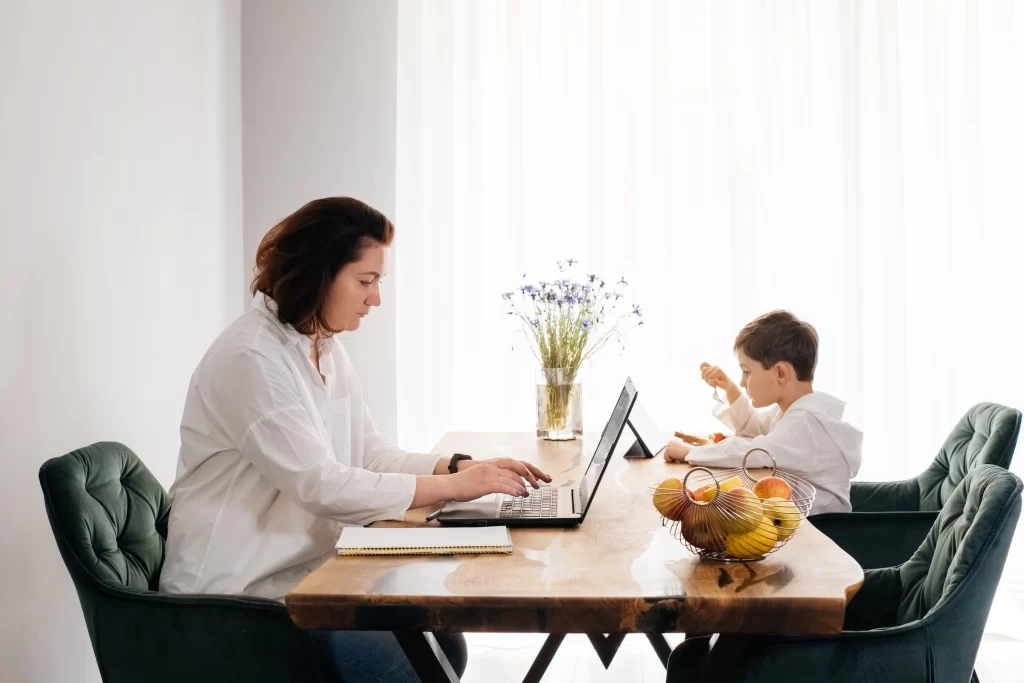
Working from home with kids is a unique challenge, but it’s not impossible. With the right tools like a portable office and an adjustable laptop stand, a flexible routine, and realistic expectations, you can find your flow.
Some days will feel chaotic, others surprisingly peaceful. But with intention, structure, and self-compassion, you’ll create a system that works for your family.
And remember every small win counts. A completed task, a calm call, or even a shared snack break are all signs you’re doing just fine.
Subscribe to What Works Next today and join a community dedicated to transforming the way we work. Working smarter starts here!