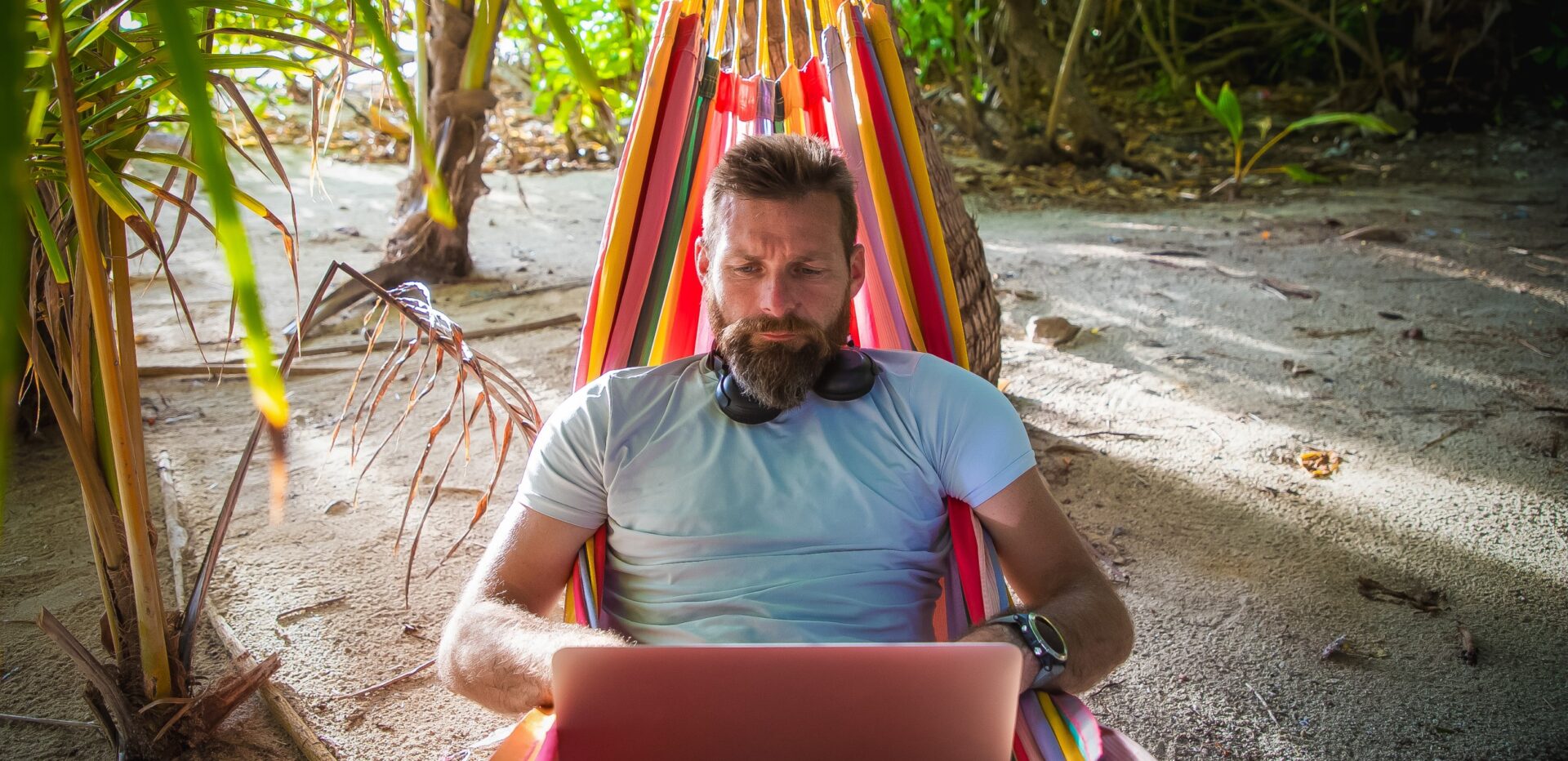
The rise is there – whoever says remote work is vanishing isn’t aware of the real stories out there. If you’re chasing top-tier digital nomad jobs, now is your moment!
Remote workers are choosing to work from anywhere because the companies they work with also support it. The momentum behind this shift is massive. As part of the wave of evolving digital work trends, location-independent careers are becoming mainstream rather than fringe. Businesses want reliable, smart, and accountable resources. Similarly, individuals working remotely seek remote-friendly, open-minded, and supportive companies to work in.
A Tidal Shift in Remote Careers
Although it seems 2025 has seen a drop in remote work opportunities, it really isn’t. New data reveals otherwise: globally, an estimated 40 million people were living as digital nomads by 2025. In the U.S., the number of people identifying as digital nomads reached about 18.1 million by 2024. Numbers don’t lie, so!
What does this mean for you? It means that digital nomad jobs are no longer novelty side-gigs. They’re serious career paths – but only for those who are willing to take on the responsibility. Being a digital nomad means you’d have to self-manage everything, update your teams, clients, and projects with self-accountability. And so, with willingness, companies are shifting roles, compensation, and culture in response.
This shift ties directly into the broader remote work revolution. As more people prove value outside of offices, the idea that you must be in one place is fading. Instead, you now face the option to design your life and career around freedom.
Why “Work From Anywhere” Is No Longer a Fantasy?
One major driver of this trend is institutional change. Meaning more than 40 jurisdictions now offer remote-worker or digital nomad visas. These programs allow you to live in a foreign country while working for a company elsewhere (but you would need skills, experience, and relevant prerequisites to secure the visa). For example, on 21st November 2025, Slovenia launched its first digital nomad visa, open to non-EU workers staying up to one year. Btw, alongside other requirements, to be eligible, you must either be employed by a company outside Slovenia or provide services to international clients. This means that the possibility of working from anywhere truly exists for more people than ever before.
These visa programs reflect how digital work trends are now global policy issues. Governments know that mobile talent brings foreign income, entrepreneurship, and growth. Nomads are becoming a viable economic asset, not just wanderers.
Top Destinations for Digital Nomads in 2025
If you’re ready to chase freedom, location matters. Some destinations are clearly ahead with digital nomad visas and opportunities. The United Arab Emirates (UAE) climbed to 2nd place in the 2025 VisaGuide Digital Nomad Visa Index, behind Spain. In Dubai and Abu Dhabi, you’ll find ultra-fast internet, five-star amenities and visa policies aimed at remote professionals.
After Bali, Indonesia, another hotspot is Thailand. According to a recent index of remote-worker-friendly cities, Bangkok topped the list thanks to low cost of living and high internet speed. Meanwhile, Portugal, Mexico and Slovenia are strong contenders thanks to affordable living, good infrastructure and now formal remote work programmes.
Still, destination choice isn’t only about lifestyle. It’s also about how well your digital nomad jobs match your travel and visa goals. Cost, timezone compatibility, co-working access and local support matter deeply.
Visa Basics and What You Need to Know
Before packing up your bag, you’ll want to understand how visas and compliance influence your lifestyle. Many remote work visas require proof of employment with a non-local employer, minimum income thresholds and health insurance. For example, Portugal’s remote-worker visa lets many nationalities stay for up to a year and apply for renewal.
Your job must qualify you to legitimately hold a remote role, ideally one of the formal digital nomad jobs indicated above. Your work must not compete with local jobs in the host country. Also, tax and compliance issues may differ depending on the location and your employer’s policy.
Many entrants fail not because they don’t want to move, but because they underestimate the paperwork, income requirements or tax obligations. A recent survey shows that application approval rates hover around 50%-60% for many programs.
How to Land and Excel at Digital Nomad Jobs
If you’ve read this far, you’re probably thinking about how to make it real. First step is to short-list and target remote-friendly careers. Software development, digital marketing, UX/UI design and product management rank high among nomad priorities. When you apply, don’t just mention “remote.”
The second step is to align your lifestyle and location. If you plan to work from anywhere, choose a job that truly supports mobility. Some companies still restrict location or penalise for time-zone misalignment. Ask about location flexibility during interviews.
The third step is to recognise you’re part of a bigger shift. Many leaders still re-examine where and how work gets done. A 2025 study found many firms reverting to stricter location policies despite earlier remote-work momentum. That means you’ll win with clarity, not assumptions. Define your terms before you move!
Key Insights from 2025’s Digital Nomad Landscape
A few takeaways stand out. Nomadism is no longer fringe. The combination of high-mobility roles, supporting infrastructure and visa regimes makes this a viable career trajectory. Unlike years past, many digital nomads are mid-career professionals earning six figures, not just freelancers.
However, the lifestyle demands discipline. Freedom comes with responsibility: connectivity, self-management, financial stability and resilience. The digital work trends are shifting from glamour to infrastructure. Support systems matter-stable internet, reliable backup, remote-work skills and compliance knowledge.
Final Thoughts
The world of digital nomad jobs is exciting and real. In 2025, the opportunity to work from anywhere is stronger than ever- but it requires strategy. Choose destinations that suit your lifestyle and income, prepare your career for mobility, and act with awareness of global changes. The digital work trends point toward mobility and remote presence.
This is your chance to live expansively, design intentionally and work globally. The tools are available, the visas exist, and communities are growing.
The only question is: are you ready to pack up your routine and start writing your own location-independent chapter?
Subscribe to What Works Next today and join a community dedicated to transforming the way we work. Working smarter starts here!